

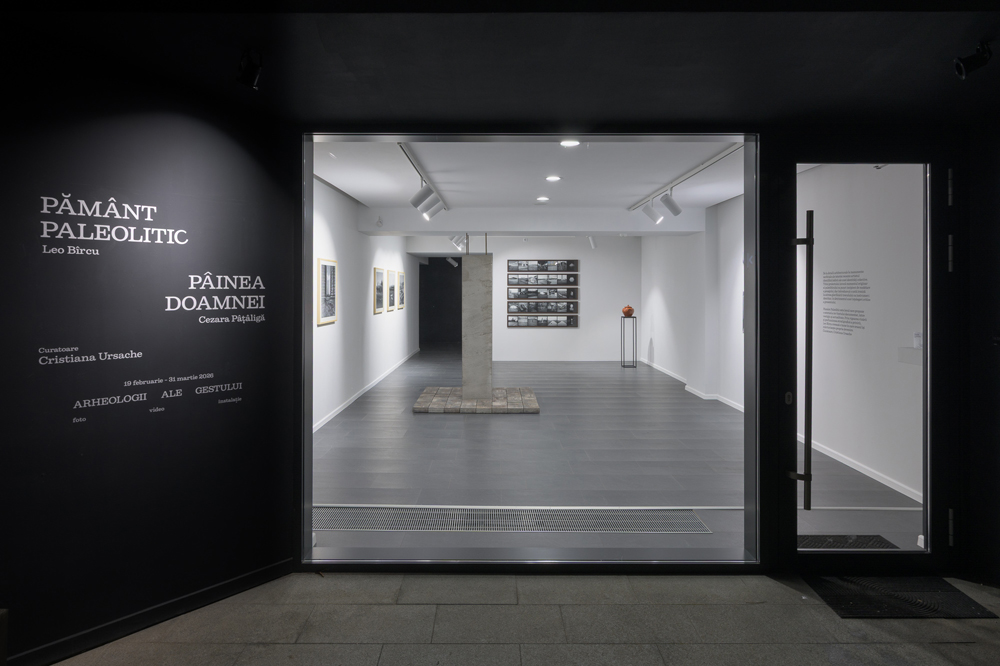
Paleolithic Earth
-
CuratorCristiana Ursache
-
Date19th February - 31st of March 2026
-
ArtistLeo Bîrcu
-
LocationArtep Gallery Iași
×
Biography
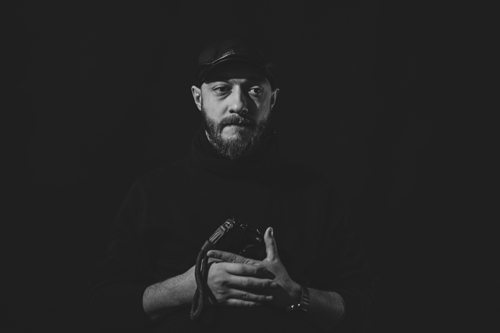
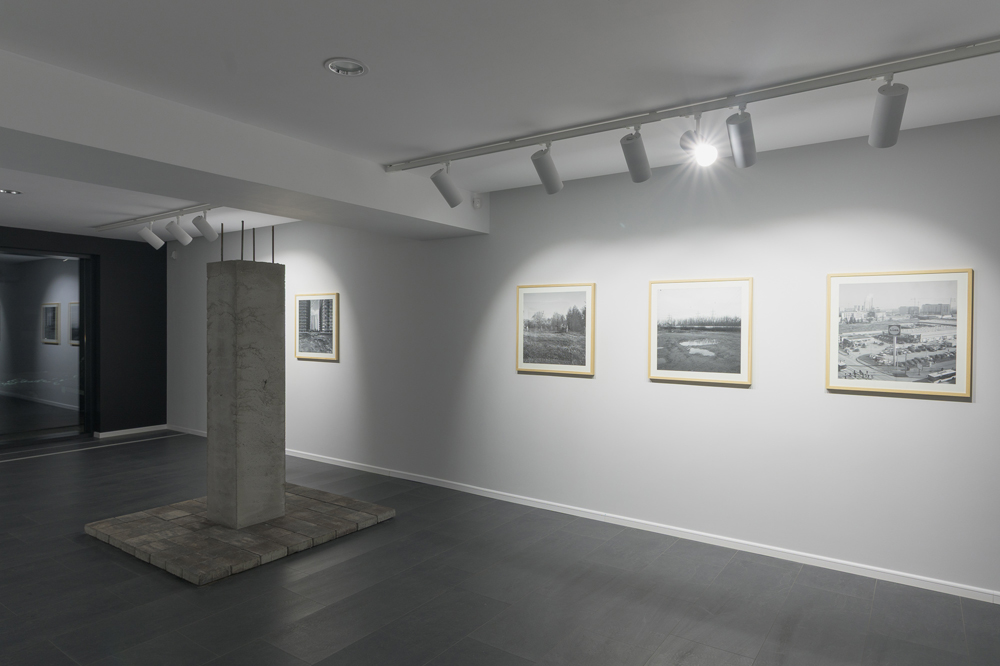
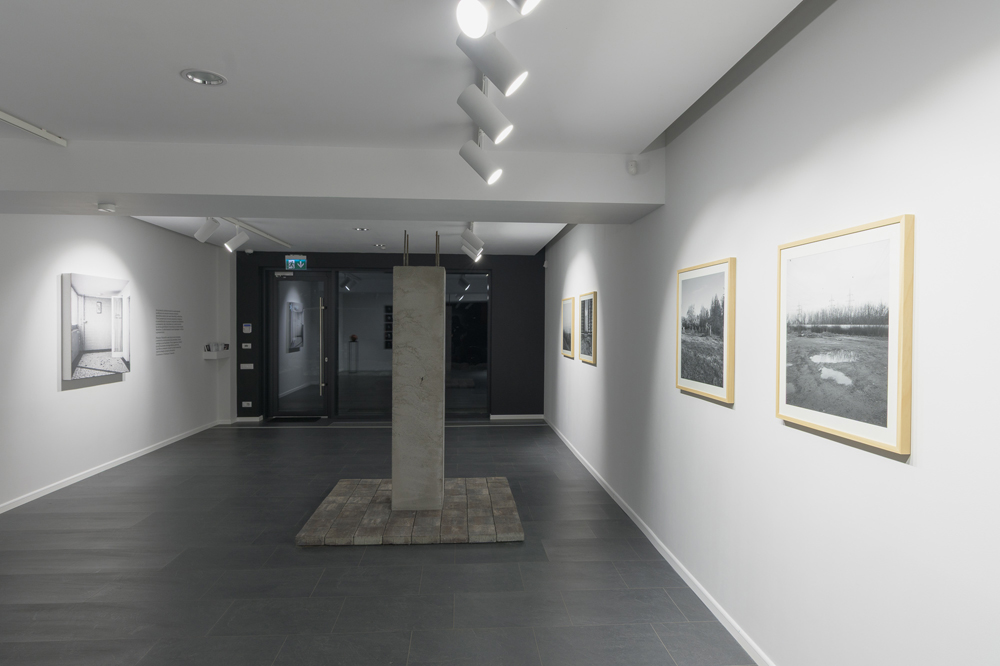
For artist Leonard Bîrcu, the camera is more than a tool for obtaining images, it is a pretext for "topographical targeting", which helps in archaeological surveys. He started from the city of Iași understood as a material and symbolic layer that supports the current urban landscape. The artist subjects it to a critical analysis that oscillates between the objective document, the subjective essay and the material substrates.
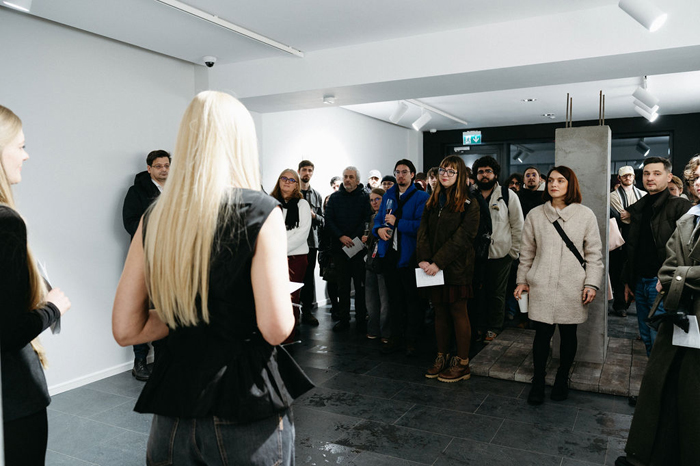
The Event



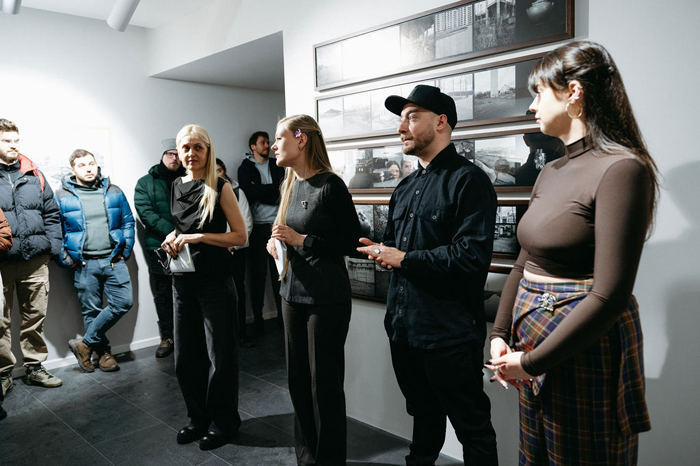

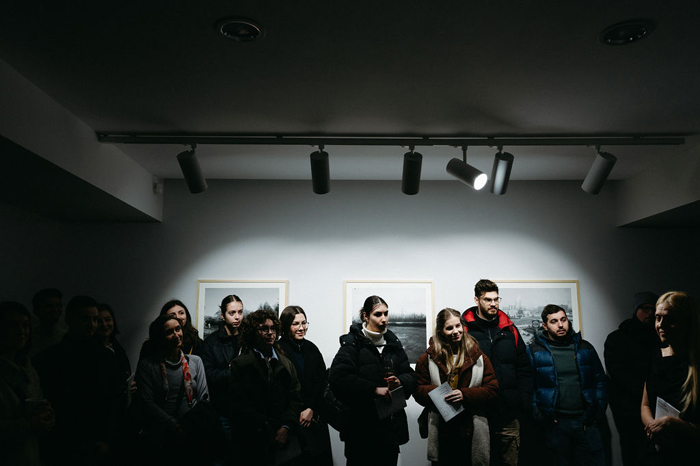

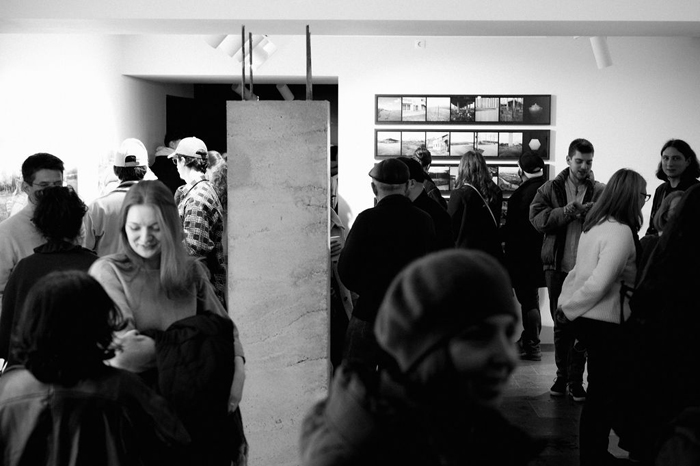



Keep scrolling
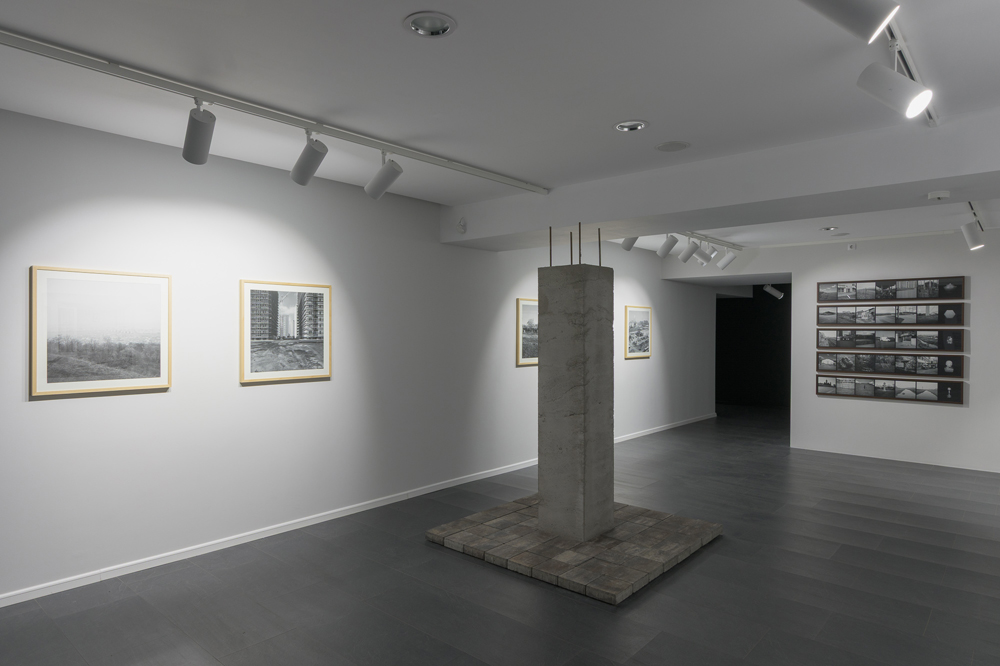
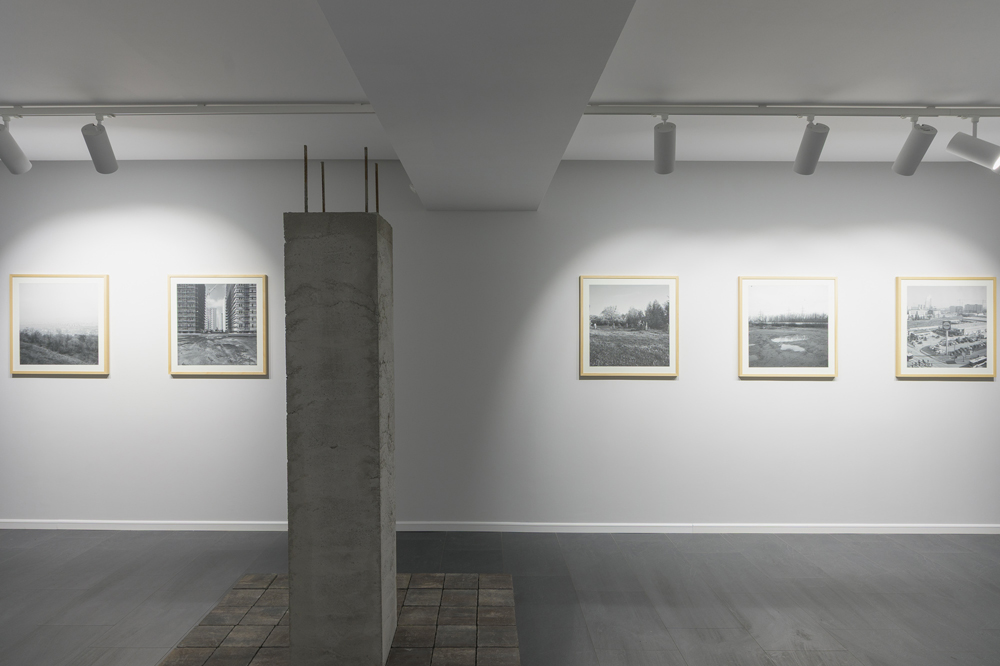
Leonard Bîrcu's approach is based on stratigraphy (proposed and developed by Marius Grec) as a method of studying cultural layers, starting from the observation that "older remains are located in depth", while the new ones are on the surface. This method becomes an active metaphor: the city is seen as a layer of recent culture, and the photograph functions like an archaeological section that reveals "evidence" of the social condition. The images thus capture a "disrupted society" and an evolutionary stagnation, identifying visual patterns that reflect the bidirectional relationship between man and the occupied territory.
From architectural details to unofficial monuments of recent history, the artist identifies clues to a collective identity. The project's title invokes the original moment of the Paleolithic as the incipient point of shaping the landscape, but also introduces an ironic note towards the glorification of the past as an identity tool, to the detriment of a critical understanding of the present.
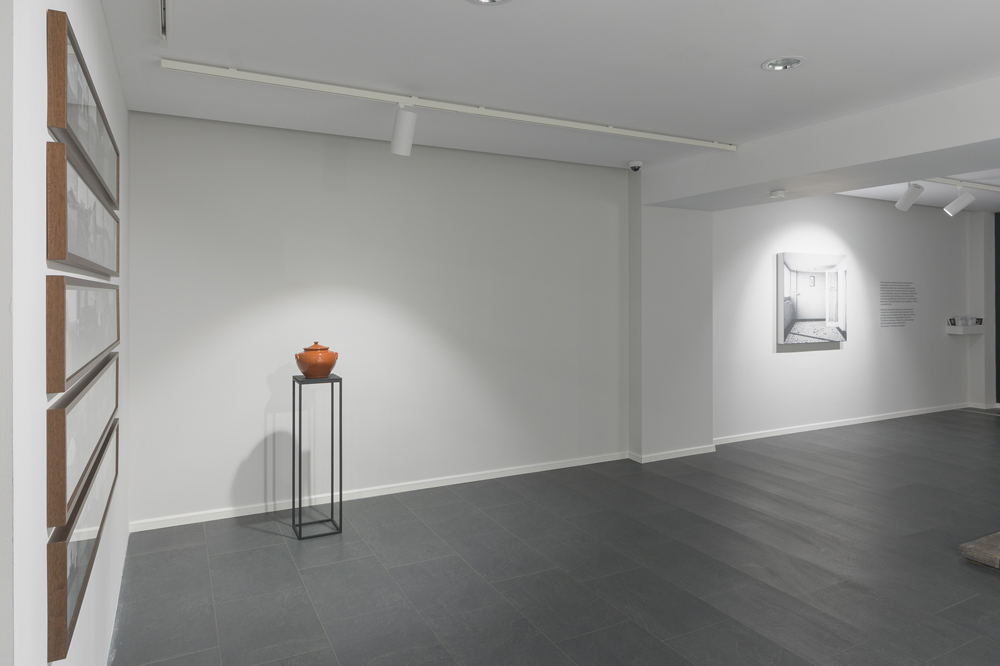
The exhibition thus represents a research space in which the urban landscape is decomposed to suggest associations between the built place and the cultural characteristics of the social group. Leonard Bîrcu captures that “in-between” between factual certainty and fictional narrative, transforming the surface of the image into a support space for speculation and future alternatives. It is an exhibition about “reading” the layers of time sedimented in asphalt and concrete, about the silence of materiality and the story that places tell when viewed through the prism of an archaeology of the everyday.
"Paleolithic Land" is the place that proposes an aesthetic of the documented territory, between vestige and actuality. Through the stratigraphic depth of the gaze, Leonard Bîrcu creates a world in which the city confesses its own becoming.
Explore More
Leo Bîrcu
Leo Bîrcu (born 1990 in Drobeta Turnu Severin) is a visual artist and a graduate of both the bachelor’s and master’s programs at the Faculty of Visual Arts and Design (UNAGE), currently based in Iași. His practice is based on photography and aligns with contemporary documentary
approaches. His interests focus on social subjects, which he explores through medium- and long-term series or essayistic projects.