

ETAJU' 1
-
CuratorCristiana Ursache
-
Date3 - 8 Oct 2024
-
Artist
Ruxandra Mărgineanu
Ioana Mihai
Marean
Pansy
Radu Mihai-Tănasă -
LocationTh. Pallady Gallery, Iasi
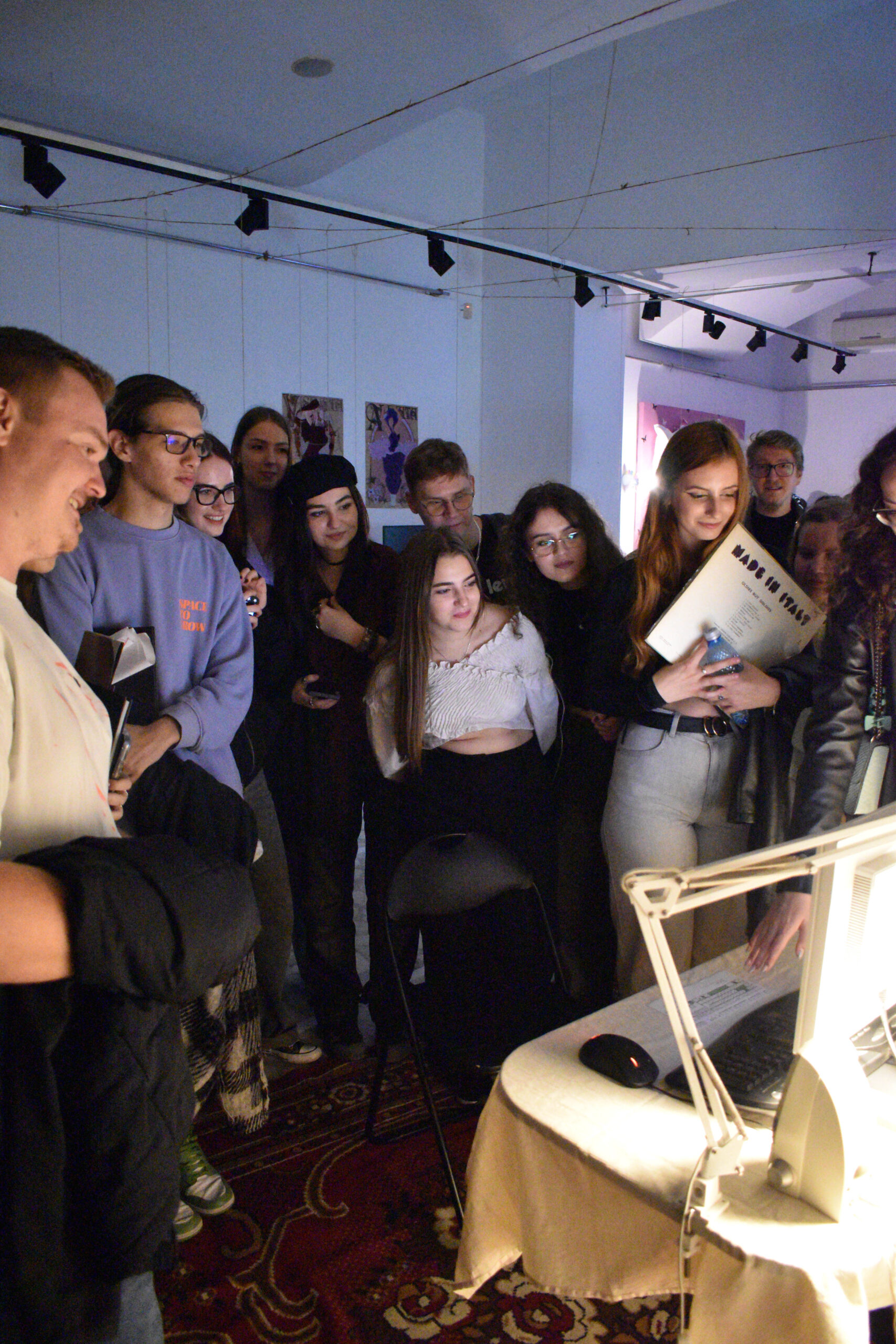
“Etaju’ 1” proposes an exploration of the notion of intimacy and everyday space. The artists transpose the intimate space—the personal home—into the public context of the gallery, inviting visitors to enter a universe where individual biographical dimensions overlap with the shared experience of dwelling. The artist group Ap.6 reconstructs a typical apartment with a kitchen, living room, bedroom, bathroom, and storage room—spaces with well-defined roles that also become a starting point for artistic explorations of personal and collective space.
The Event


Keep scrolling
As philosopher Gaston Bachelard stated in The Poetics of Space: “The journey into intimacy is neatly evoked by drawers, cupboards, wardrobes, and above all locks.” The home is a place of deep intimacy and safety, where space reveals its true poetic dimension through both the personality of its occupant and the physical characteristics of its rooms. The exhibited works speak about the multiple dimensions of intimacy and invite a reconsideration of our relationship with familiar spaces. Thus, visitors are encouraged to reflect on their own experience of living spaces and to explore how these spaces bear witness to the most profound acts of human existence.
Ruxandra Mărgineanu, through her installation, reexamines domestic tasks, transforming the storage room and the act of preserving food into a reflection on memory and the connections between generations. Ioana Mihai opens a window into the bedroom and simultaneously into intimacy redefined in the digital age, where the bed is no longer just a physical refuge but also a space mediated by technology, where virtual and real worlds intersect and merge. Marean invites us into his living room, where we rediscover a 2000s atmosphere—a familiar yet suspended space evoking a time when things seemed unshakable. For some, it may be novel; for others, a memory; for the artist, it is a source of inspiration. Pansy brings a playful and vibrant touch, referencing childhood and drawing inspiration from Yu-Gi-Oh/Duel Masters to transform a card game confrontation into a dynamic spectacle enclosed in a black box like a time capsule. Radu Mihai-Tănasă transcends personal space alongside a chimeric creature that, through a reflection on stereotypes and its own intimacy, transforms the bathroom into a place of inner release.
The exhibition “Etaju’ 1” offers an analysis of how the home, though deeply personal, becomes a universal space. The artists explore not only how intimate space is organized but also how it gains meaning through personal experiences and emotions.
Explore More