

Memento Vivere
-
CuratorCristiana Ursache
-
Date24 Mar - 30 Apr 2023
-
ArtistClaudiu Ciobanu
-
LocationRomanian Cultural Institute, Vienna
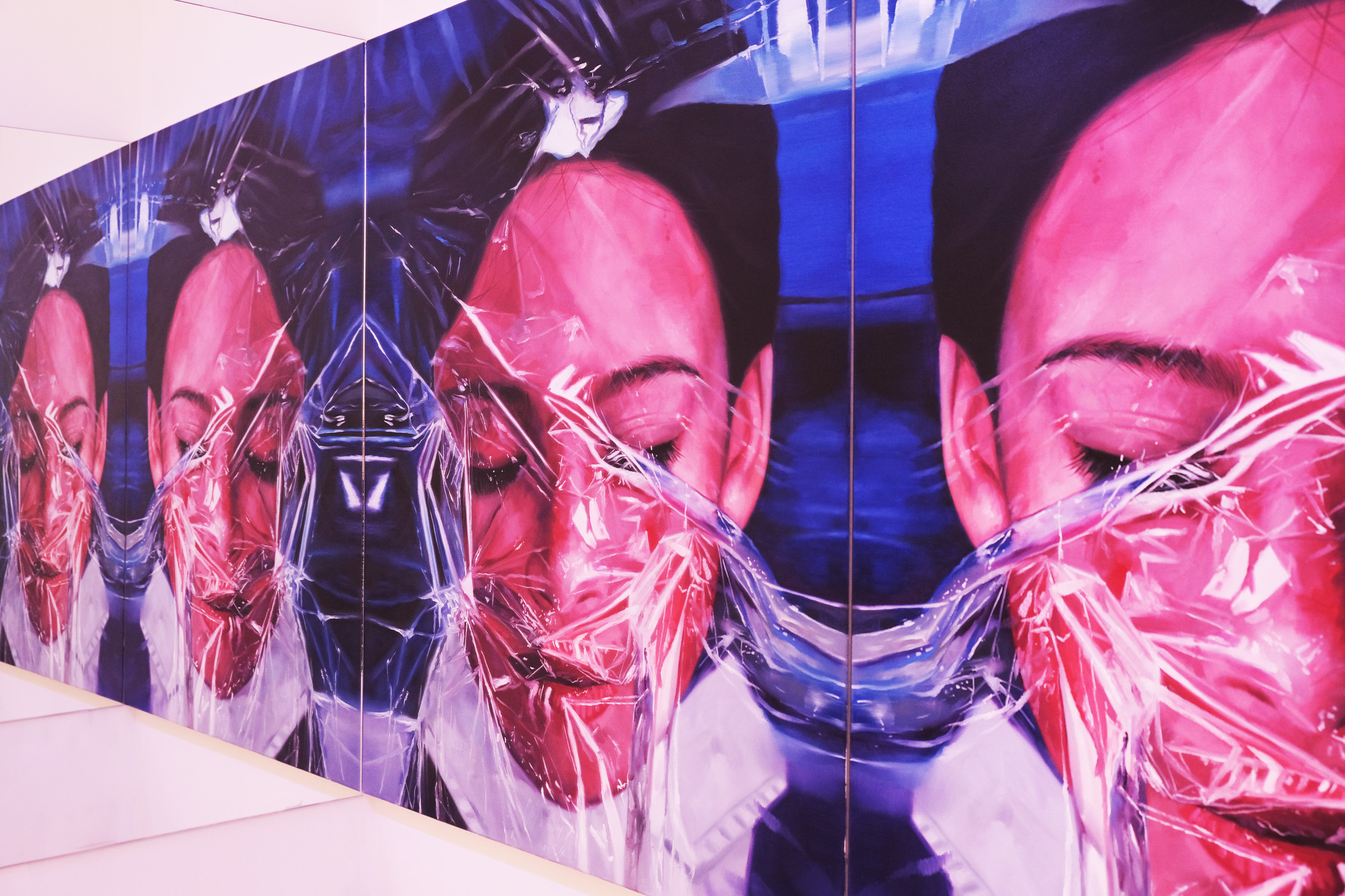
Memento Vivere discusses the implications of the posthumanist condition and how technology affects our lives, presenting artist Claudiu Ciobanu's perspective in which contemporary painting can be used to explore posthumanist philosophy.


The Event

Keep scrolling
In today's post-pandemic context, an exhibition project exploring posthumanism through contemporary painting can provide a powerful and stimulating way to actively approach this topic and encourage reflection on the ways in which technology is transforming our understanding of what it means to be human.
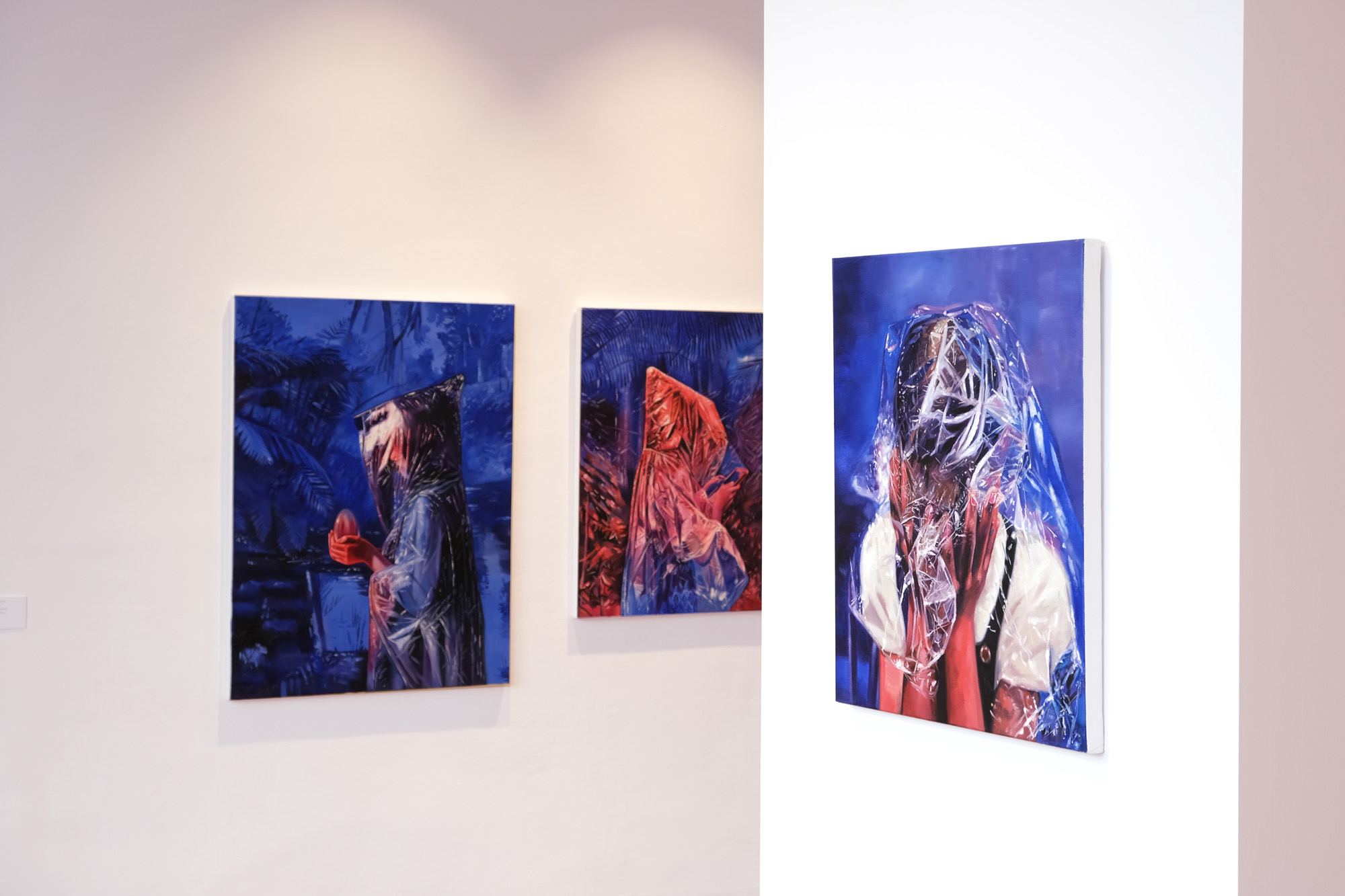
Artist Claudiu Ciobanu addresses themes such as the blurring of boundaries between physical and digital, the impact of technology on our cognitive abilities and the ethical implications of technological advances in everyday life. Through a central character, a child, the artist creates a utopian journey into a possible future of humanity. The child is the one who symbolizes the future and carries forward the legacy we leave as humanity. Through his paintings, he creates a space for these conversations which are no longer imaginary but we can actually feel them in our lives, observing how technology captures and transforms more and more of what we do daily, constantly using not only digital tools but also, more recently, artificial intelligence.
Posthumanism focuses on ethical questions related to the use and control of technology and its impact on society. The pandemic has highlighted the importance of these questions, especially regarding issues such as the way human life is shaped by technology. With little effort, it has become natural for work to be done online, for education to be delivered through a screen, and even sports to be done remotely. As the use of technology continues to expand and evolve, posthumanist philosophy can provide a valuable perspective for addressing these ethical concerns and for observing whether technology is being used in ways that truly have human well-being in mind.
It is clear that posthumanist philosophy has become relevant in contemporary society, a fact anticipatorily noticed by researchers such as Rosi Braidotti who have been approaching this topic in an analytical and not utopian way since the beginning of the 2000s. But posthumanism has crossed the boundaries of philosophy and finds itself increasingly in the visual arts in critical, utopian, provocative or imaginative situations.
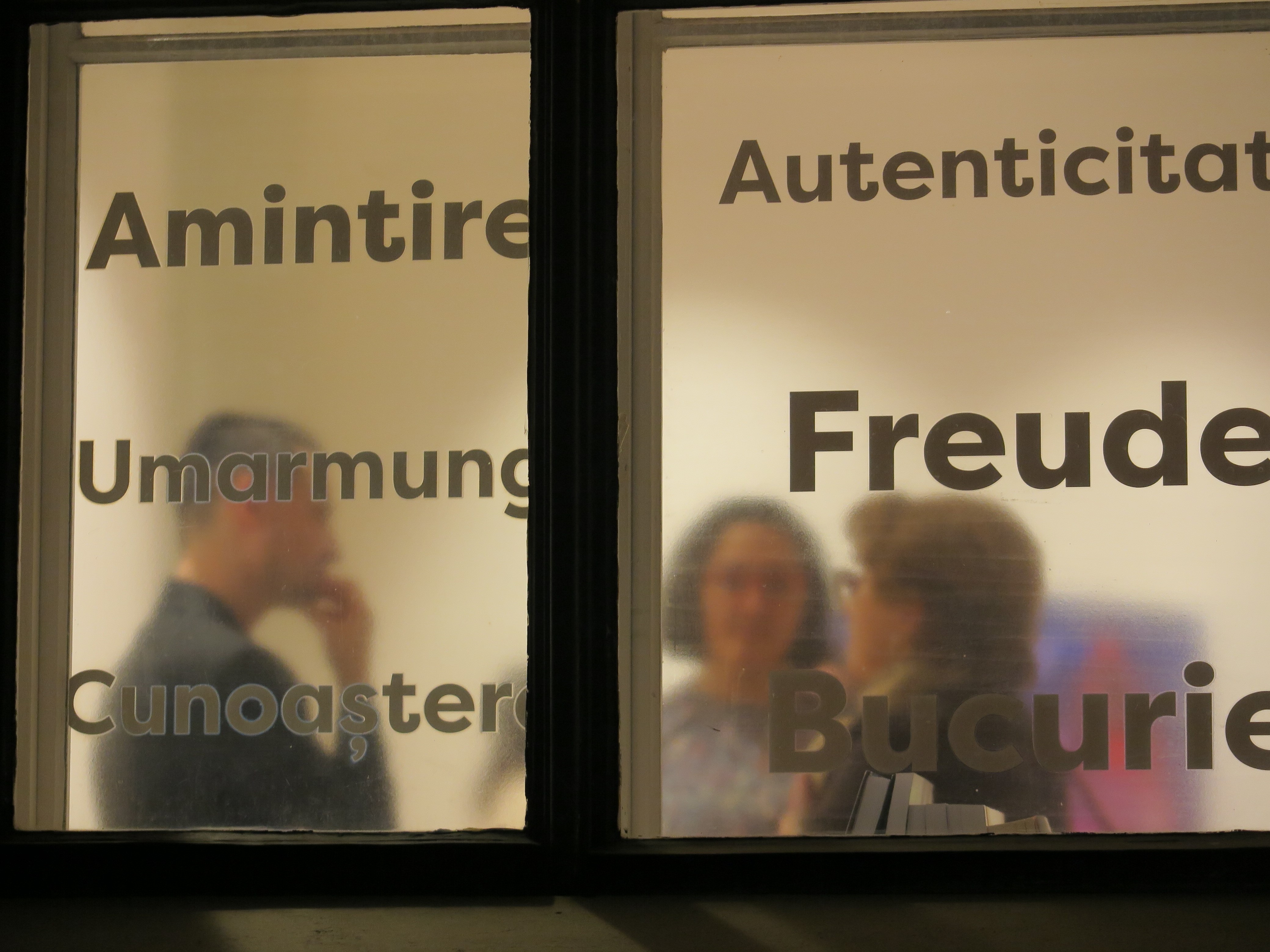
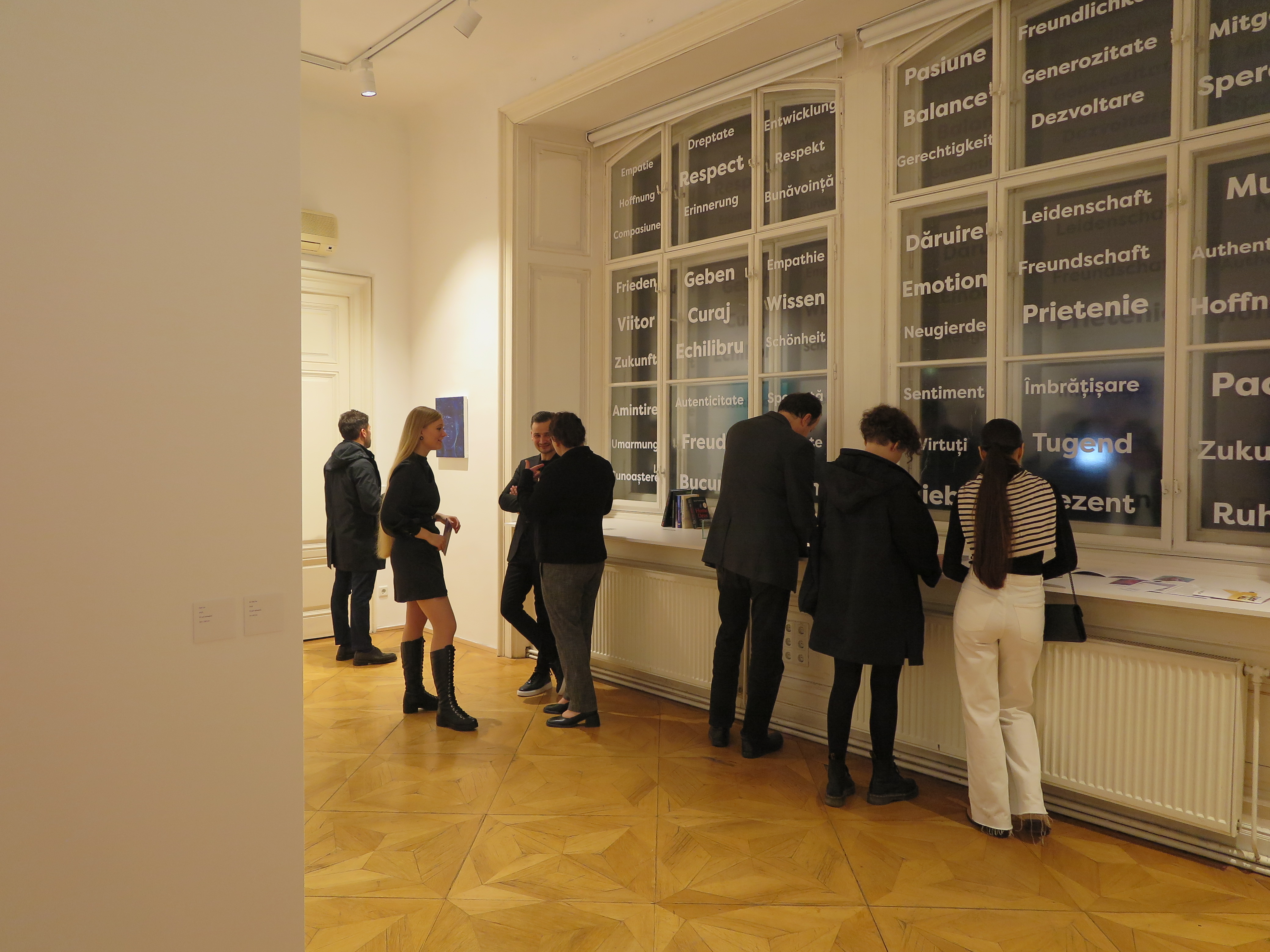
The artist talks about interaction, in the given context, and about communication, referring to the intersection between technology and language. Contemporary art uses text-based elements to voice criticism on how technology has changed the way we communicate and access information. Artists refer to technology as a way of changing thinking and information processing and its impact on our abilities to understand the world around us.
Claudiu Ciobanu transforms the idea of communication from text to gesture and this is reflected in the only work with two characters in the exhibition - mother and daughter. Through the simple gesture of a motherly hug, the artist encompasses a deep ancestral communication that can never be replaced by technology. Communication through touch and through the experience of being close to the other is what makes you want to live and remember to feel - Memento Vivere.
Explore More