


The Lady's Bread
-
CuratorCristiana Ursache
-
Date19th February - 31st of March 2026
-
ArtistCezara Pâțâligă
-
LocationArtep Gallery Iași
×
Biography

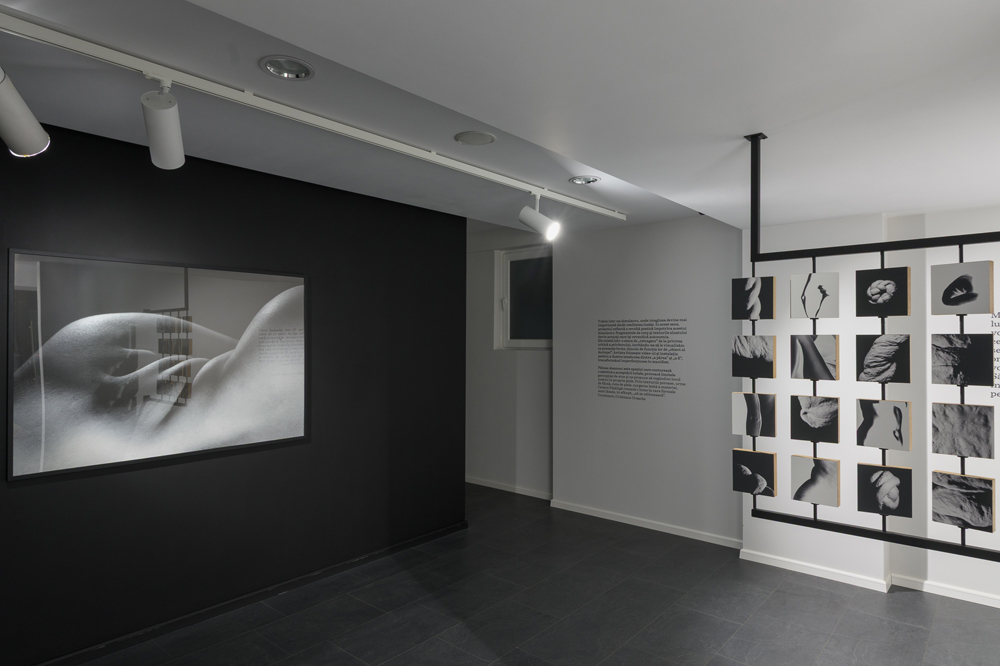
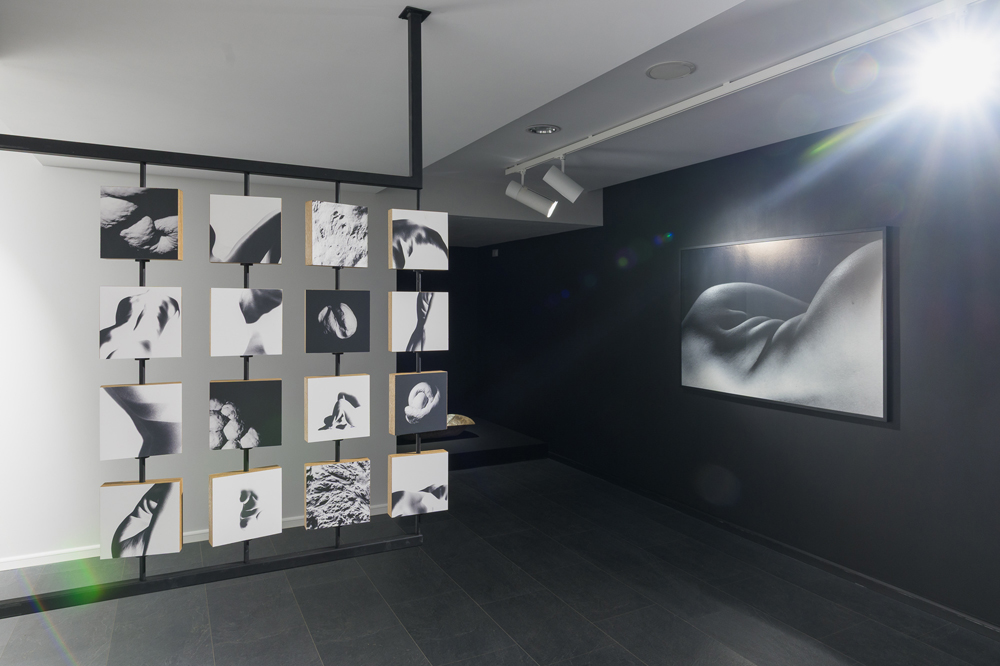
In the beginning there was the body, which artist Cezara Pâțâligă transposed into the materiality of dough, a medium whose organic composition amplifies the tension between the imposed standard and the raw reality, between plastic perfection and the vulnerability of flesh. The contrast between the (idealized) body-image and the body-matter seem to propose distinct realities.


The Event


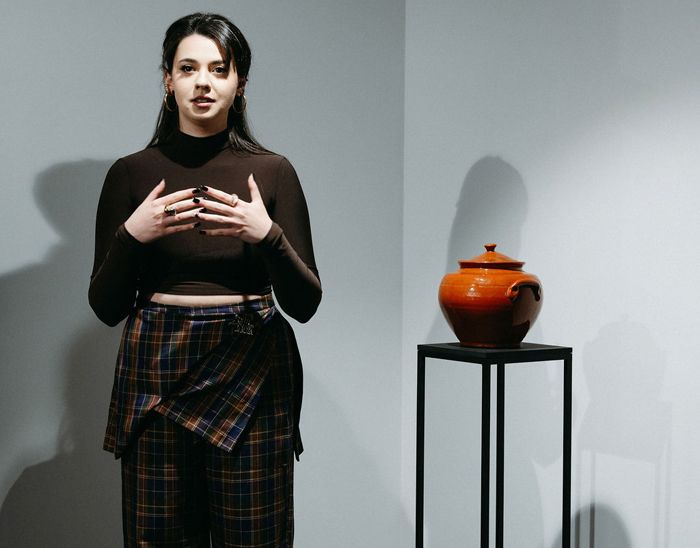
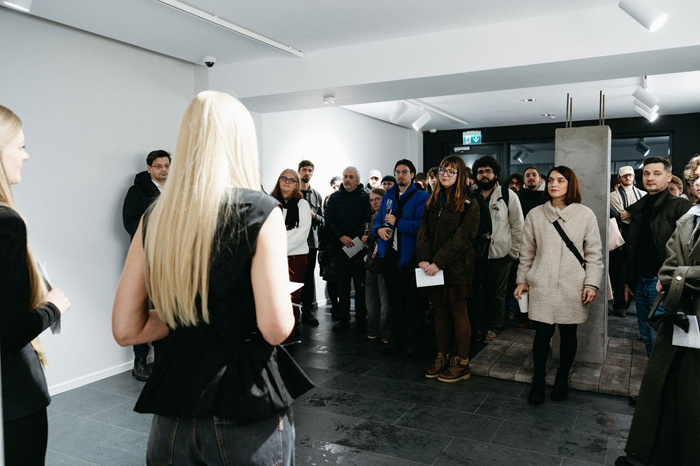


Keep scrolling
But the artist uses different ingredients: the dough that flows, the yeast that transforms, and the salt that preserves. They become a hybrid materiality, in which biological nature and aesthetic culture coexist.
Within the Art Gen '25 project, on the path from research to exhibition, the works intersect with Maurice Merleau-Ponty's phenomenological theories and Jean Baudrillard's critique of the simulacrum, offering a philosophical framework for understanding the body as an entity and not as an object of visual consumption.
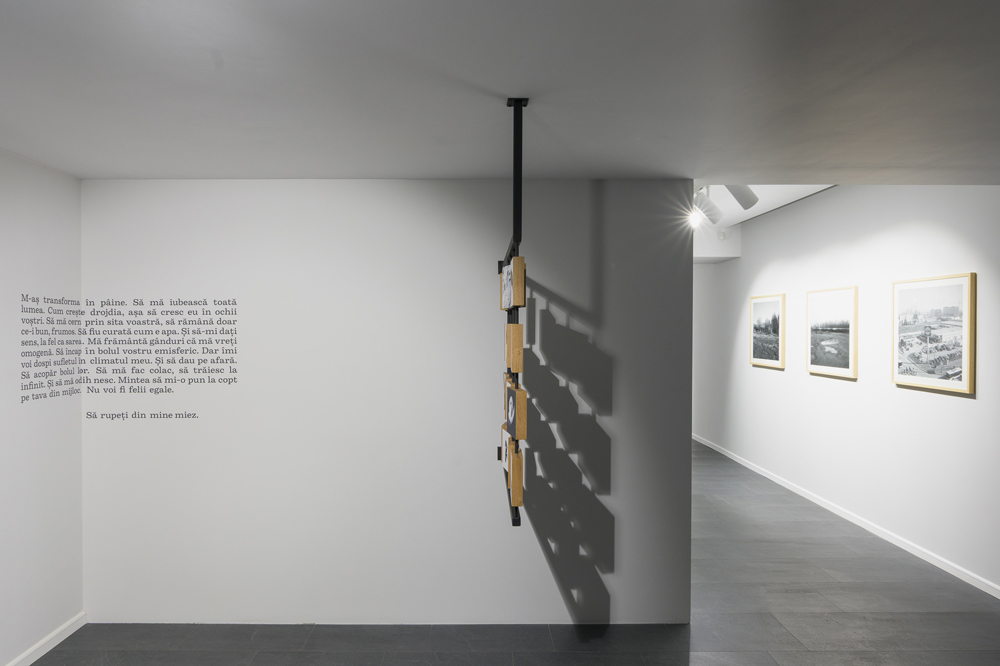
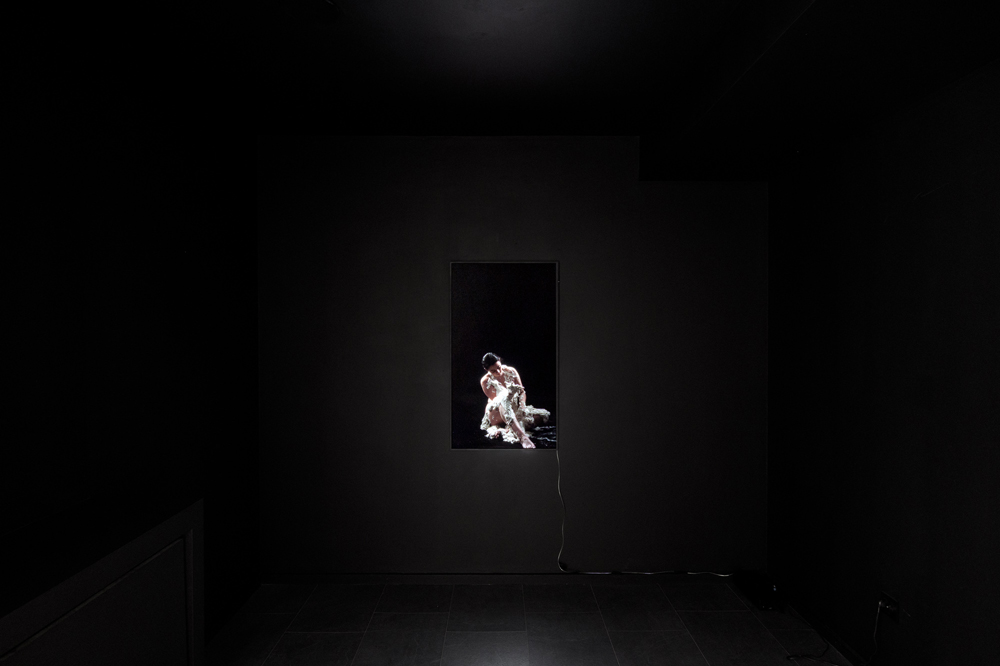
We live in a simulacrum, where the image (hyperreality) becomes more important than reality itself. In this sense, the project “Lady’s Bread” reflects a poetic revolt against this simulacrum: body fragments and dough textures become “autonomous actors” that claim their autonomy. They exist in a state of “withdrawal” from the critical gaze of the viewer, inviting us to visualize them as raw presences, beyond their function as “object of desire”. The artist uses video and installation to illustrate the tension between “seeming” and “being”, transforming imperfection into manifesto.
The exhibition is thus an intermediate space where the forms speak for themselves and capture that “in-between” between the aesthetic and the visceral, transforming the flat surface of the photograph and the fluidity of the dough into a portal to what Merleau-Ponty called “the flesh of the world”: a return to an aesthetic of pure feeling, freed from forced judgments. It is an exhibition about the body captured in its own becoming, about the spaces between the folds, about the silence of the rising dough and the story that the skin tells when people stop comparing it to an impossible ideal.
"Lady's Bread" is the space that outlines an aesthetic of total acceptance, challenges the limits of self-perception and proposes to rethink our place in our own skin. Through porous textures, traces of flour, folds of skin, the slow flow of matter, Cezara Pâțâligă creates a world in which forms are finally allowed to "rest".
Explore More
Cezara Pâțâligă
Cezara Pâțâligă (b. 2000, Iași) is a visual artist and an MA student specializing in Photography and Video Art at the "George Enescu" National University of Arts in Iași. Her artistic practice explores human emotions and experiences through sensory engagement. Poetic and introspective in nature, her works propose a visual experience that invites reflection, seeking ways to express feelings and lived experiences in an accessible and personalized form. For her, art becomes a space where individual and collective dimensions converge, anchored in a shared history yet expressed through a distinct personal voice.
In her current practice, the artist deepens an interdisciplinary dialogue, integrating experimental photography and video installations into a coherent discourse on memory and perception. Cezara investigates the capacity of the technical image to transcend its function as a simple document, transforming it into a sensory vehicle capable of activating the viewer's affective memory.