


The Wild East
-
CuratorCristiana Ursache
-
Date23 december 2021 - 10 Juanuary 2022
-
ArtistRuxandra Mărgineanu, Ioana Mihai, Laura Stoica, Marian Stavarache, Radu-Mihai Tănasă, Alexandra Tîrpescu.
-
LocationVictoria Art Gallery
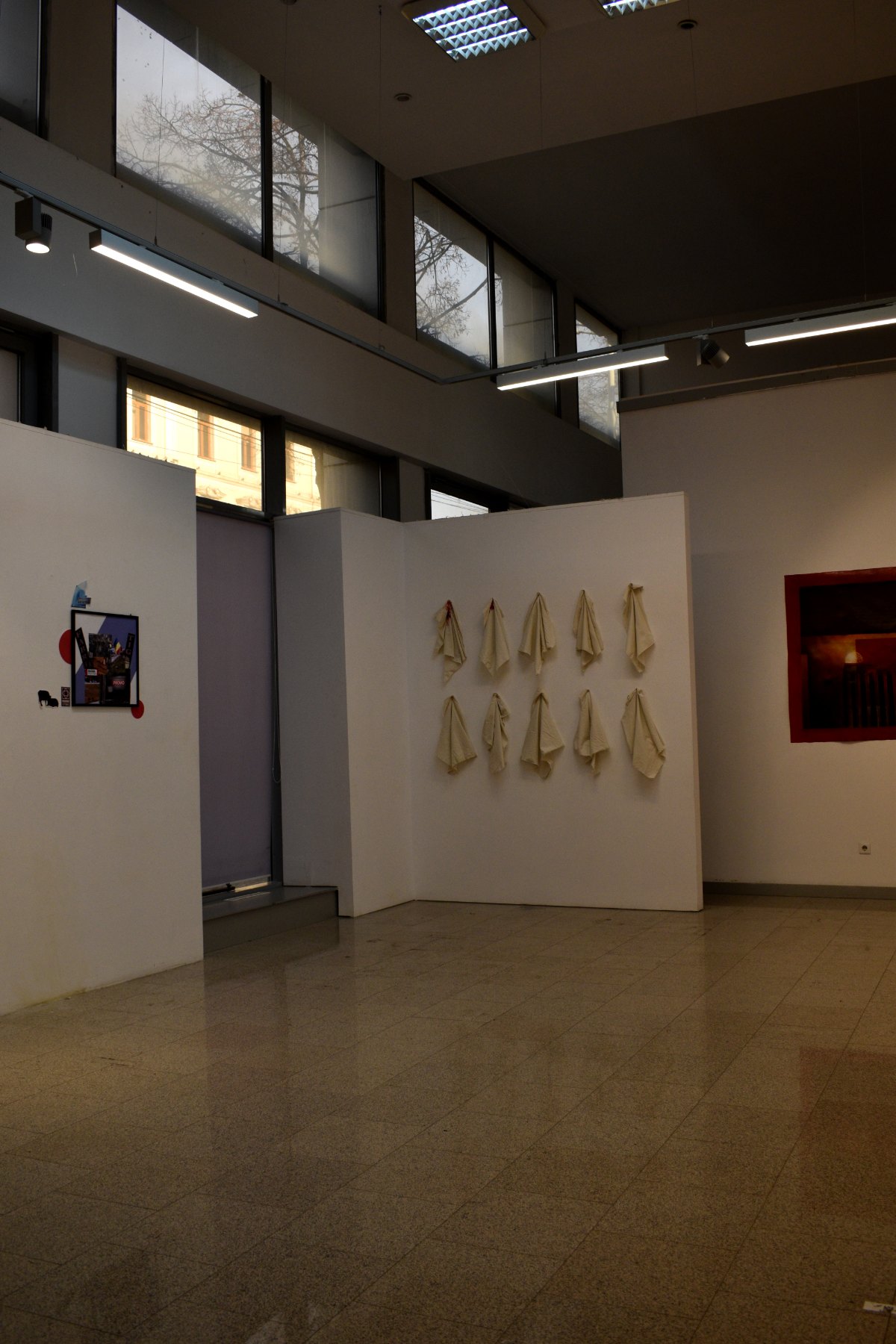
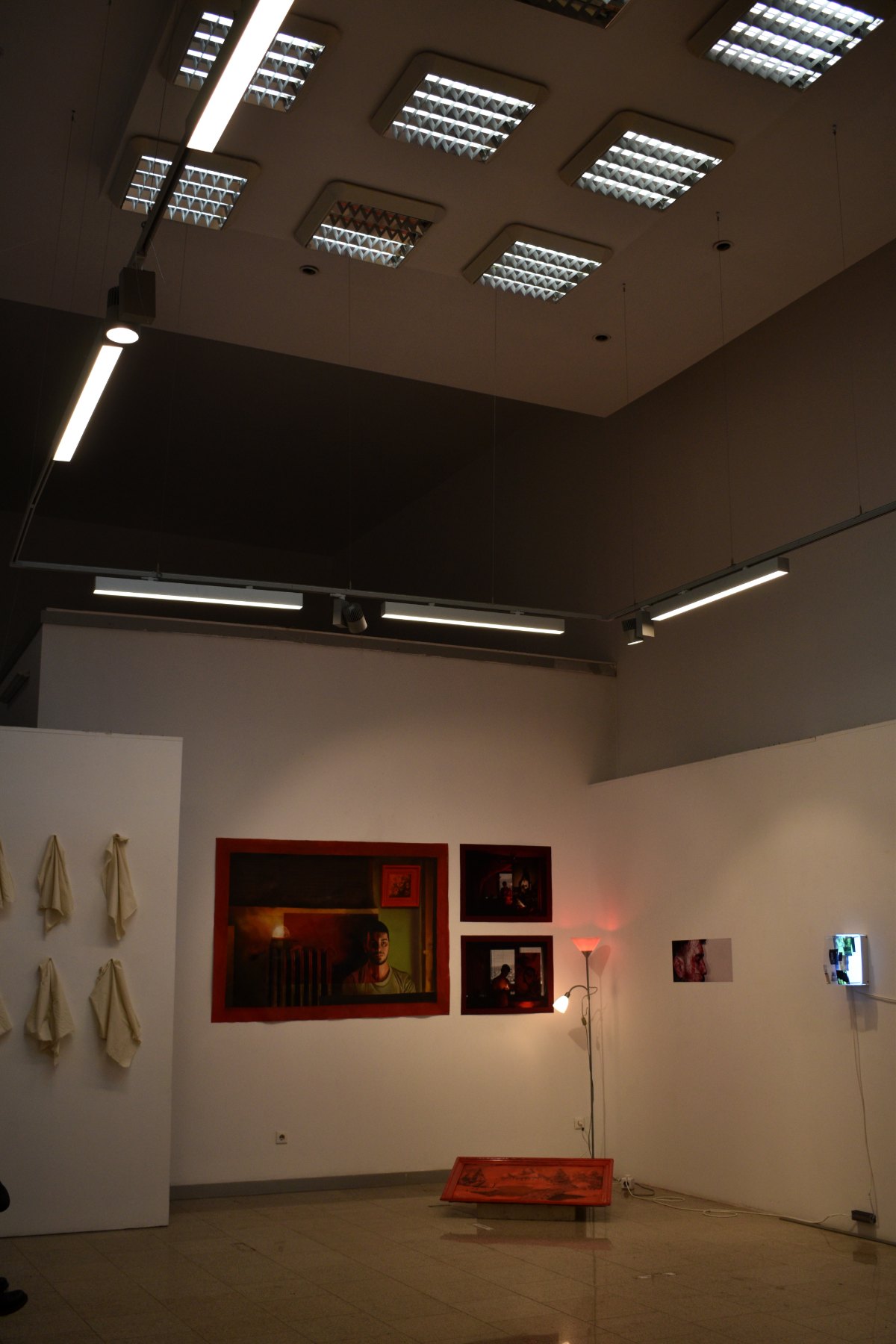
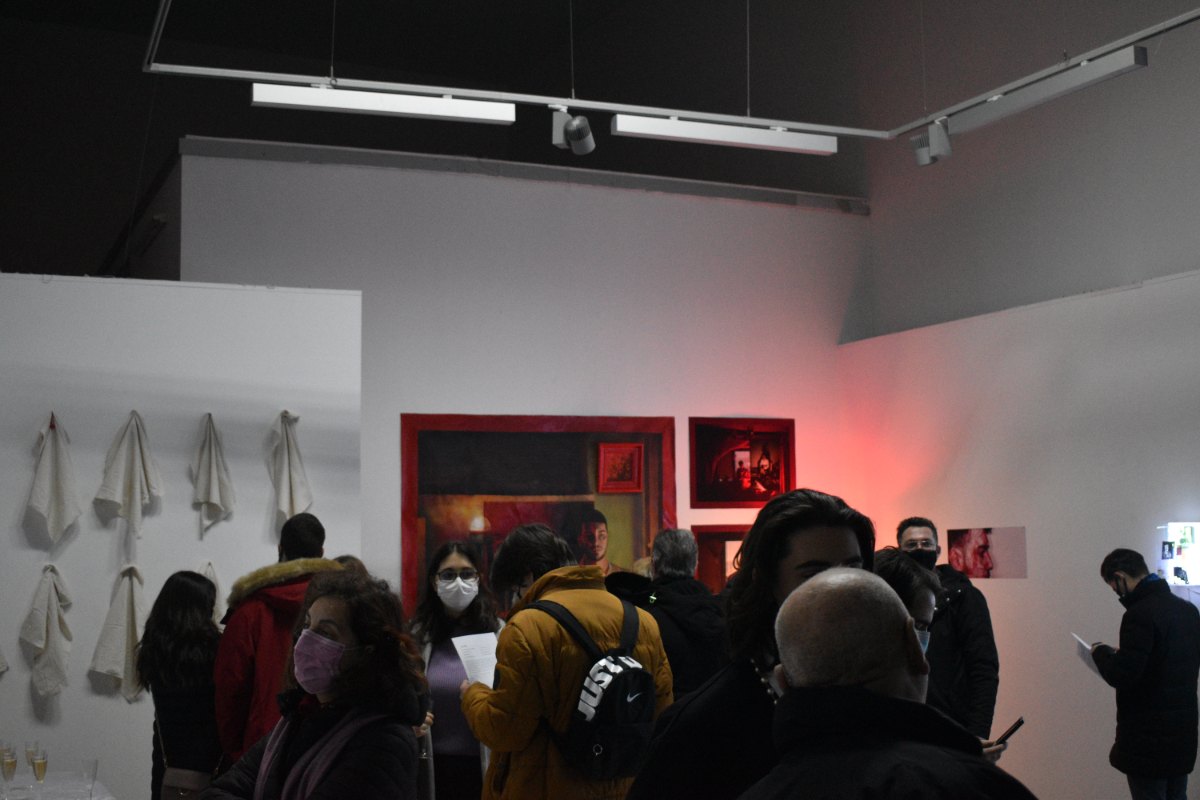
The Wild East is not just an expression but it really represents the Eastern European space, more precisely the Romanian space translated through the prism of the experience imprinted on the individual who developed here, as well as the way in which the community around him evolved. Time is also a fundamental element of this exhibition, in this case, it is about the current moment as well as the recent past, after the 2000s. The artists in this exhibition belong to the '99 generation and chose to include in their visual discourse numerous subjects that apparently seem heterogeneous to an objective eye but in which in fact, upon even a superficial analysis, one can notice how these subjects coagulate around the society in which the artists were formed. Through this endeavour, they create a common discourse, with diverse voices and stories behind it. They create the story of a generation from different perspectives.





The Event
Keep scrolling
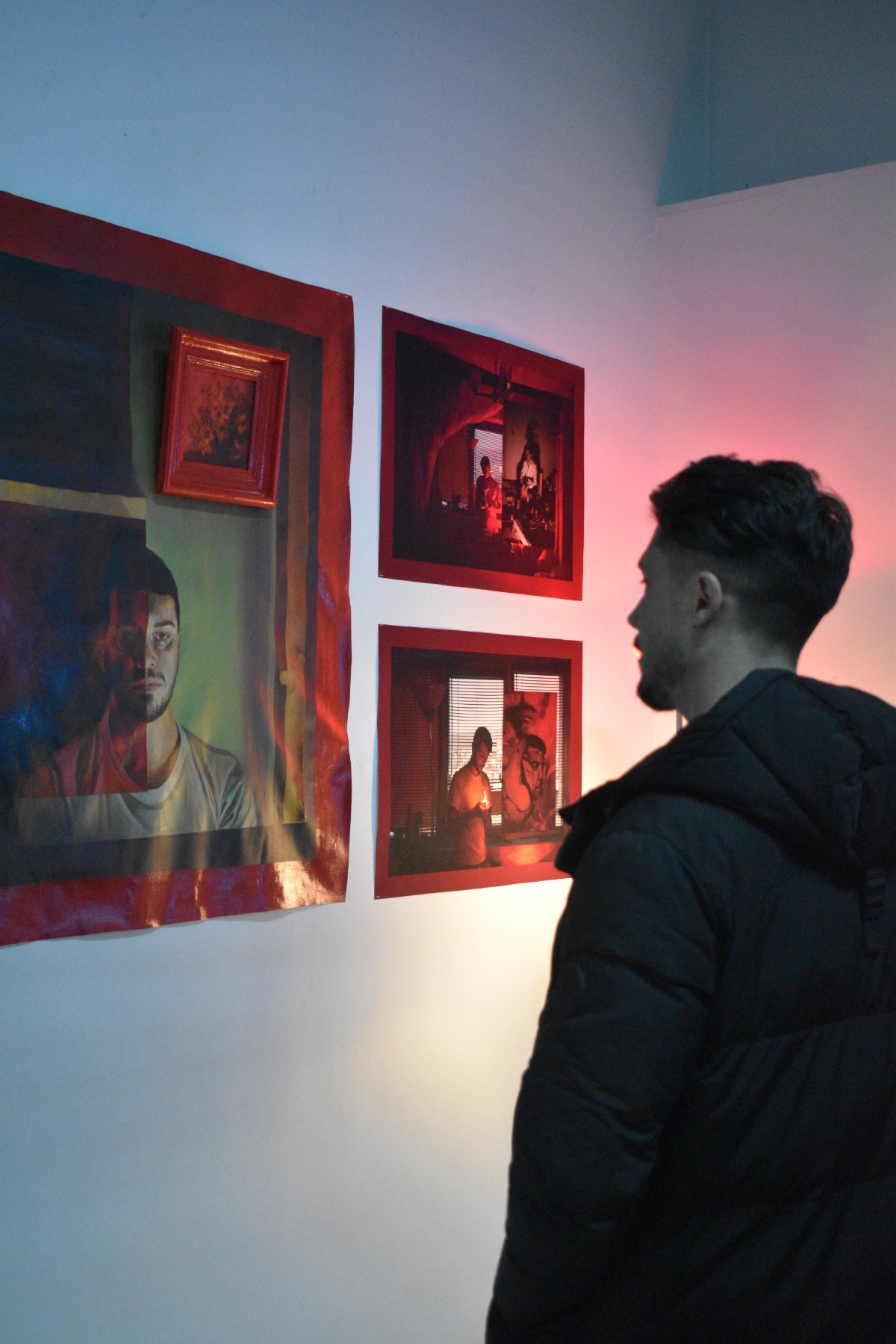
Starting from the origins of his own experience, Radu-Mihai Tănasă proposes an individual exploration of the fragility of memory (especially the affective one). He transposes this survey into a work that extrapolates his own experiences to the dominant characteristics of the generation which he belongs to and emphasizes the contrasts that the computer draws in his childhood.
Moving to a new stage in his career, in the Netherlands, Radu-Mihai Tănasă introduces in his works the study of alienation and transition through the prism of a dominant character - The Goat. He comes from the east, he is extracted from his environment and is transposed, in a drastic way, to an area that does not include the same cultural substrates. Through her work, Alexandra Tîrpescu, has in mind the restoration of post-communist symbolic elements (which are still felt after the 2000s) and which are part of a new collective past, from the period of formation of this generation. Household objects, personal belongings, common pieces of furniture, all these are embedded in her work through a few examples and contribute to the desire for closeness as well as a nostalgic feeling. In her series of collages Ruxandra Mărgineanu talks about the contrasts in the Romanian urban landscape, creating abstracted compositions.
They highlight the sequential transformations that can be seen on the facades of the buildings since the beginning of the 2000s until now, mocking the urban planning that promotes a massive increase in living spaces in areas totally unsuitable for a balanced urban planning. On the other hand, Laura Stoica contributes to this set of images with a sound substrate that appeals to the affective side of people. When playing the recordings, the listener is taken through a series of moments that remained in the artist's memory and which can be identified in the memory of the society she is a part of. Laura Stoica managed to extract a part of the experience of this generation which could not be reproduced through images: children's songs on the eve of holidays, grandmothers' advice, the sounds of bells.
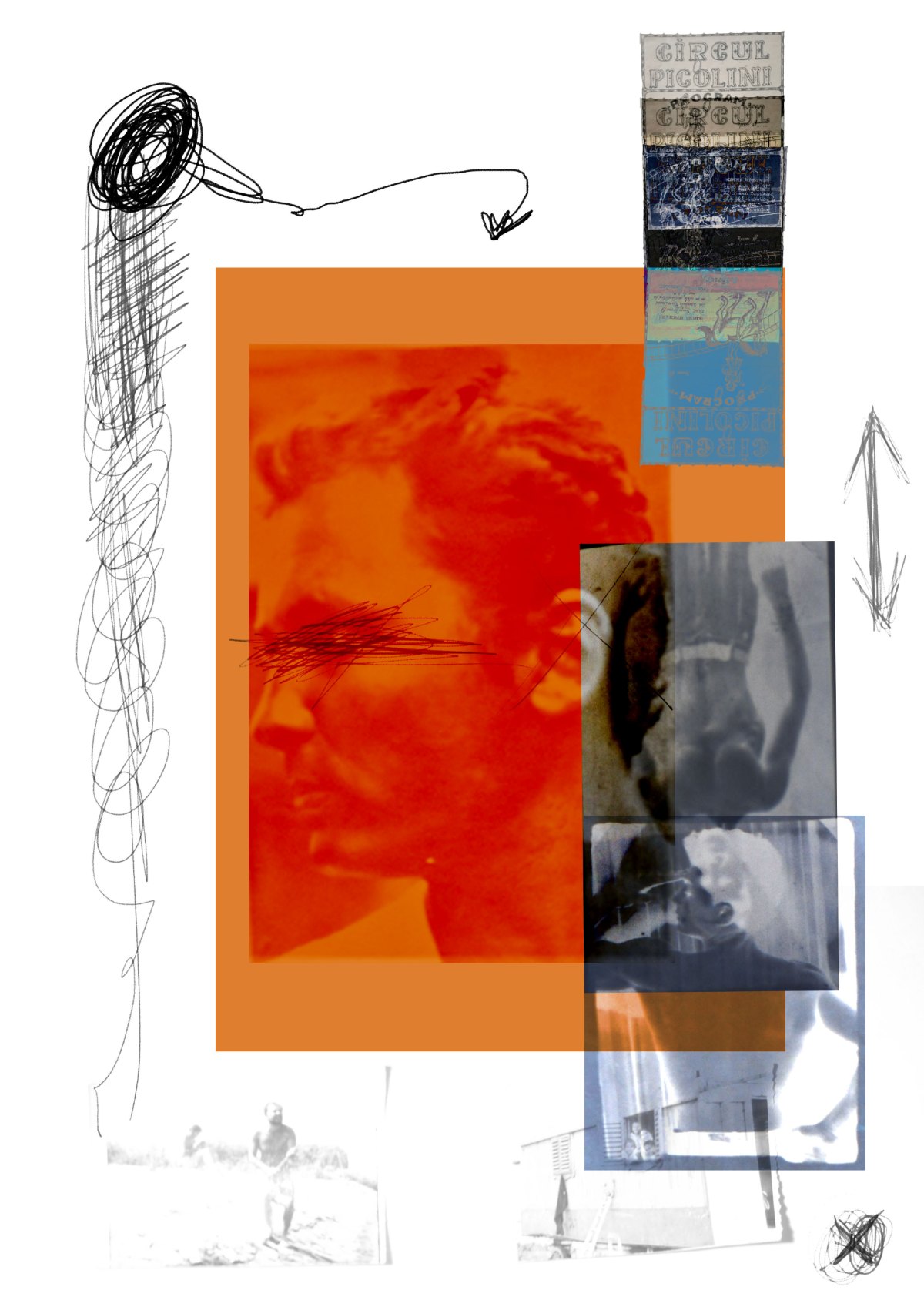
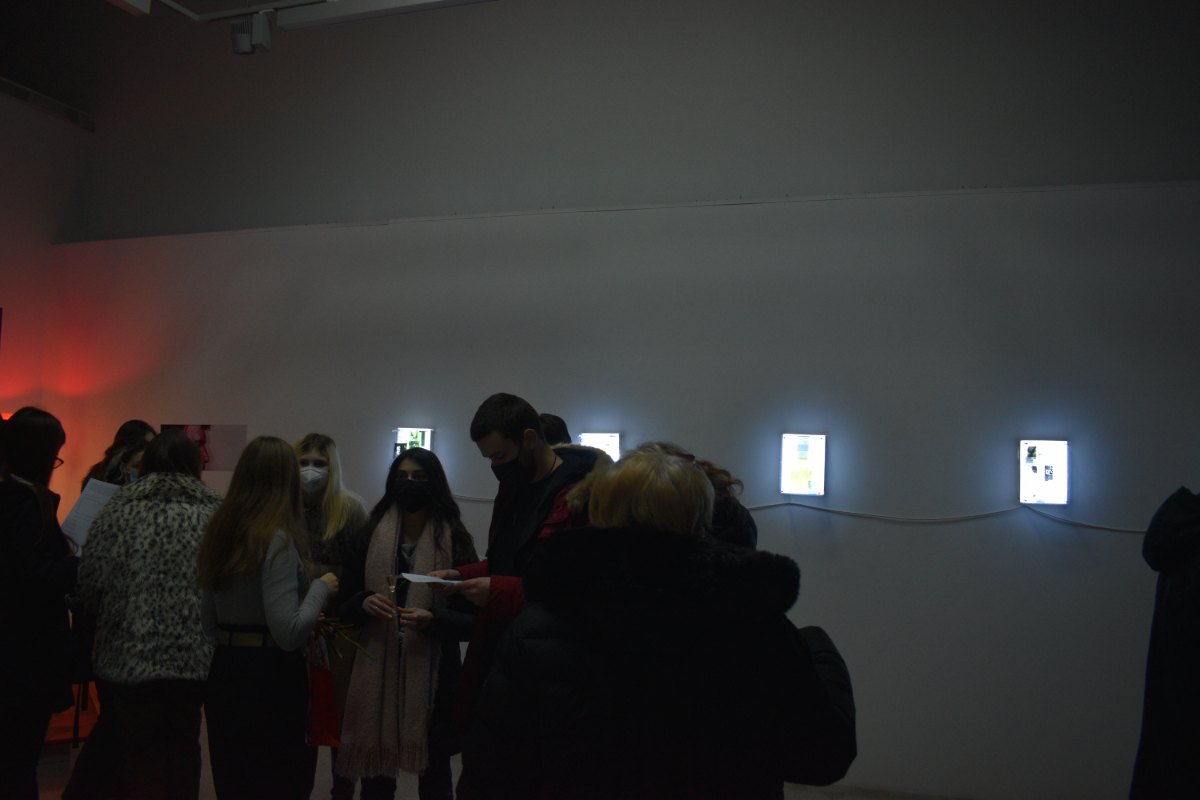
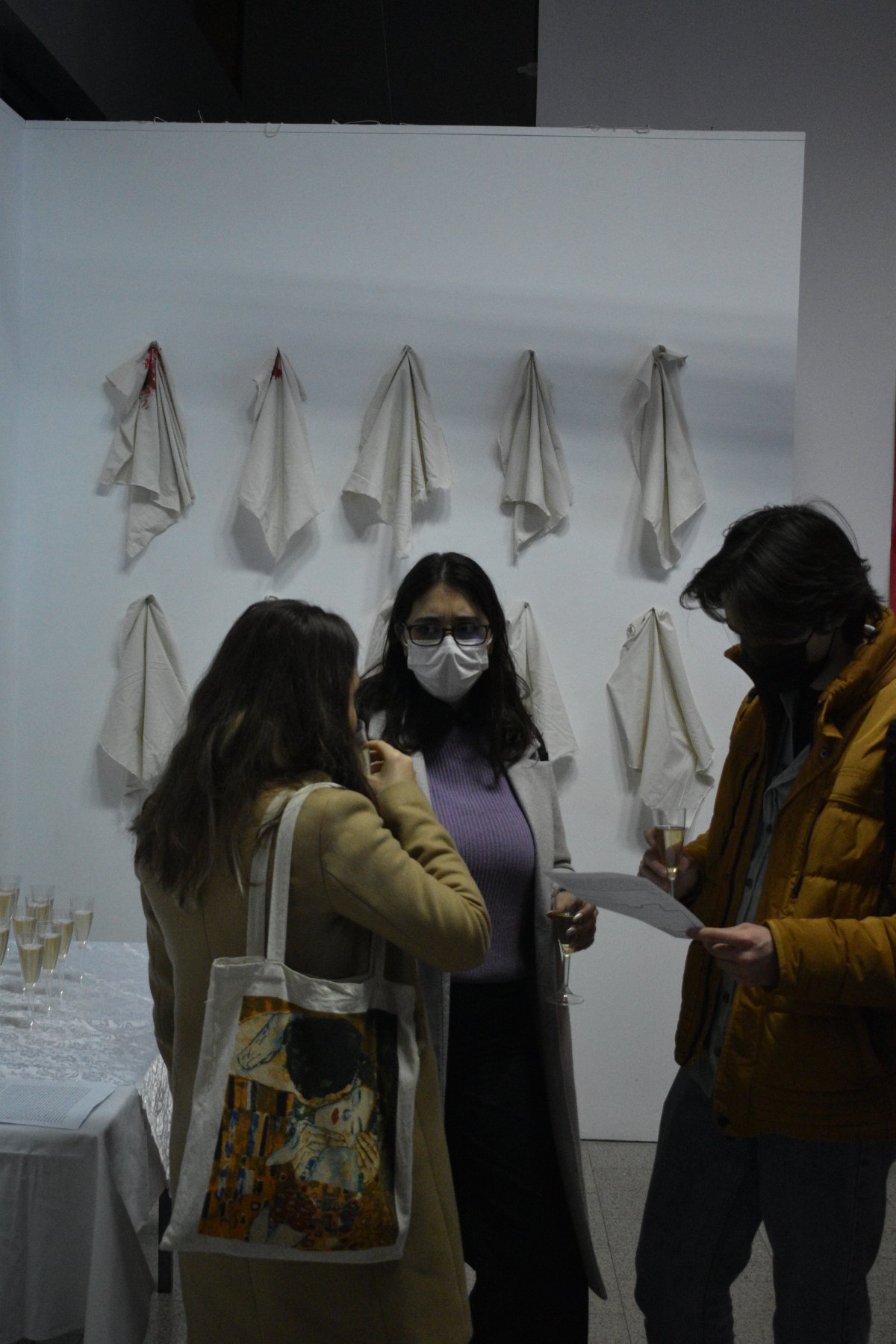
Also, the circus motif is recurrent in her works, being presented like a bildungsroman, building the career trajectory of a character active in that field. From a different point of view, Ioana Mihai speaks on behalf of the feminine side in the Romanian space and depicts the problems that this side faces through an installation. She discusses the limited access to feminine hygiene products and makes an incursion in the case of this problem, starting by analyzing the situation worldwide from the past to the present, later following the Romanian course and its impasses. The installation consists of research and analysis processes, without proposing a solution to the identified problems. The work marks the starting point for a long-term documentary, being the beginning of a case study and a large-scale visual project.
The elements which put forward an overview of the panorama of the Wild East through the eyes of the visual artists Radu-Mihai Tănase, Ruxandra Mărgineanu, Ioana Mihai, Alexandra Tîrpescu and Laura Stoica are apparently heterogeneous. They materialize their balance through a common goal of surprising aspects of Romanian society through their own experiences. Thus, a portrait built after the 2000s can be assembled, which includes an intimate part of childhood alongside with common objects, the places where they grew up and were formed, the relationships built with the people around us, as well as the analyses that they made on their own society.
Explore More