

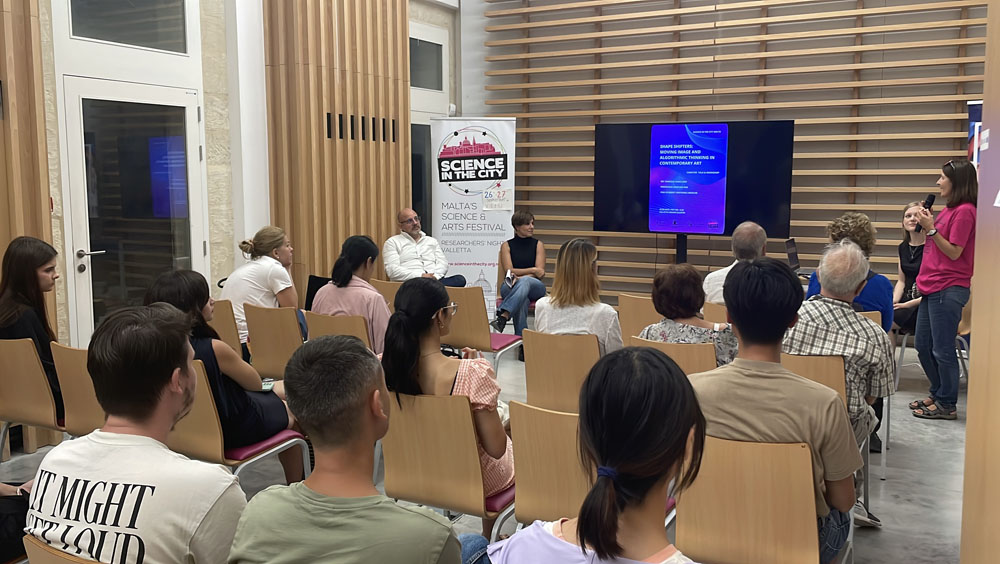
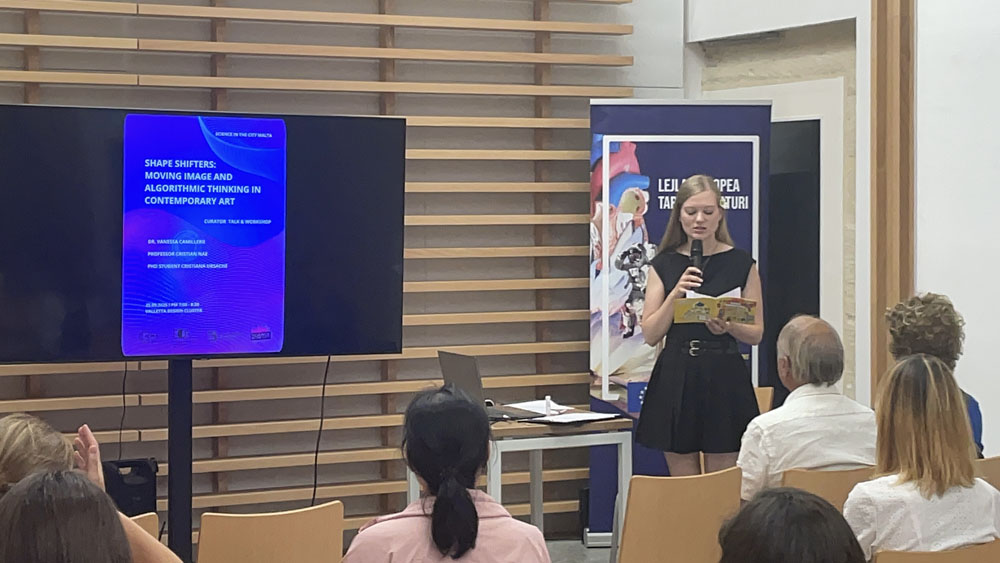
Shape Shifters: Moving Image and Algorithmic Thinking in Contemporary Art
-
Date25 Sep 2025
7:00 - 8:30 PM -
AboutCurator talk & Workshopa
-
LocationValletta Design Cluster, Malta
In the past several years, artists such as Refik Anadol or Memo Akten created A.I. generated, time-based artworks whose main characteristic was their endlessly varied, shape shifting form. Anadol’s widely discussed installation presented at MoMA New York used the museum’s collection in order to create abstract compositions that transformed large data broken down into pieces of color and compositional lines and propose an interpretation of art history and by extension, the memory of human culture, as an open archive, a living process of continuous transformation, thus embracing its ephemerality. In the video installation Boundaries Memo Akten interpreted human and non-human life as a continuous process of transformation at sub-atomic level, in which elementary particles that shape cosmic life imagine existence in different realms as a continuous exchange between energy and mass under the influence of cosmic forces. For Akten, Boundaries becomes a celebration of life and creativity which repositions humanism as a very narrow philosophical position among many others possible.
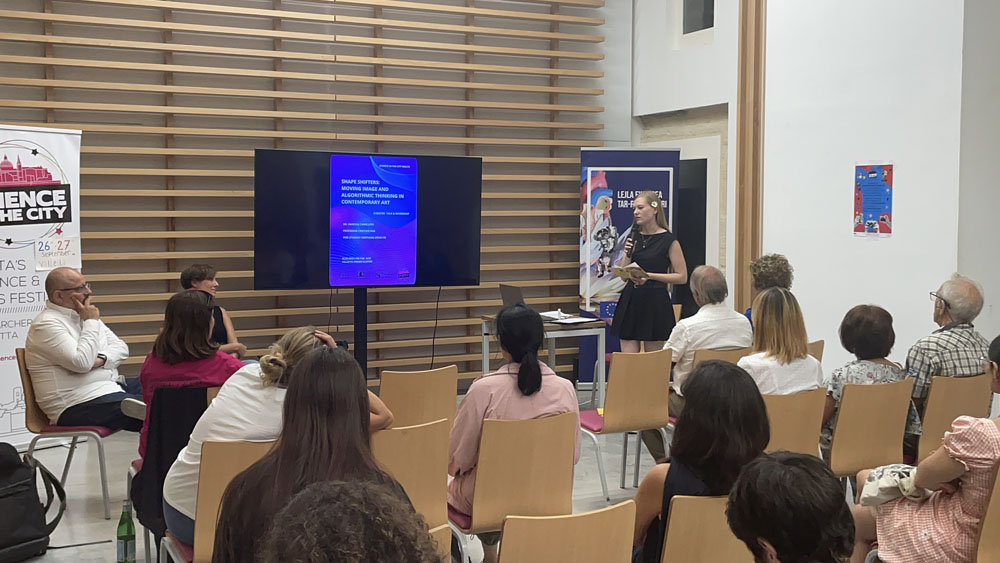
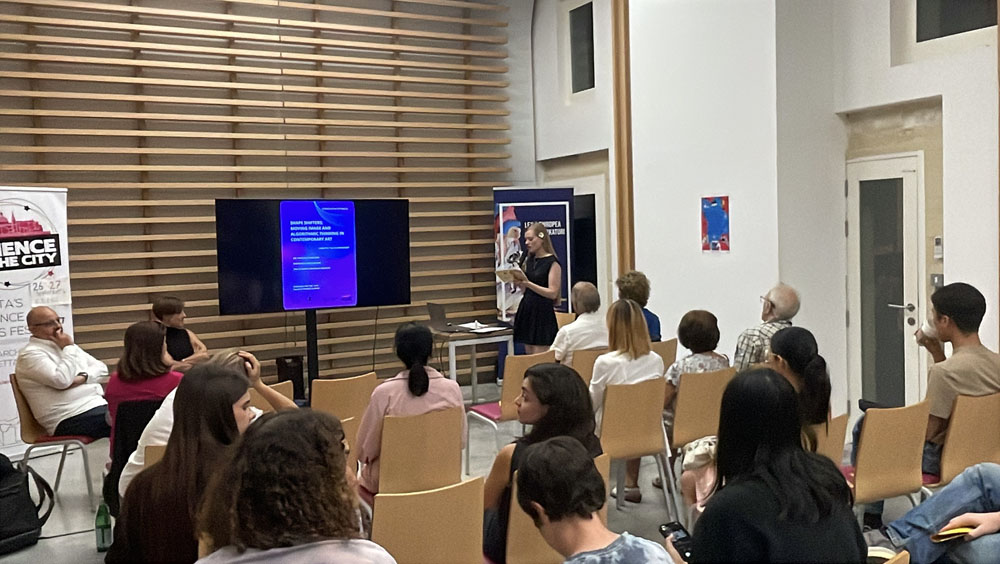
The Event
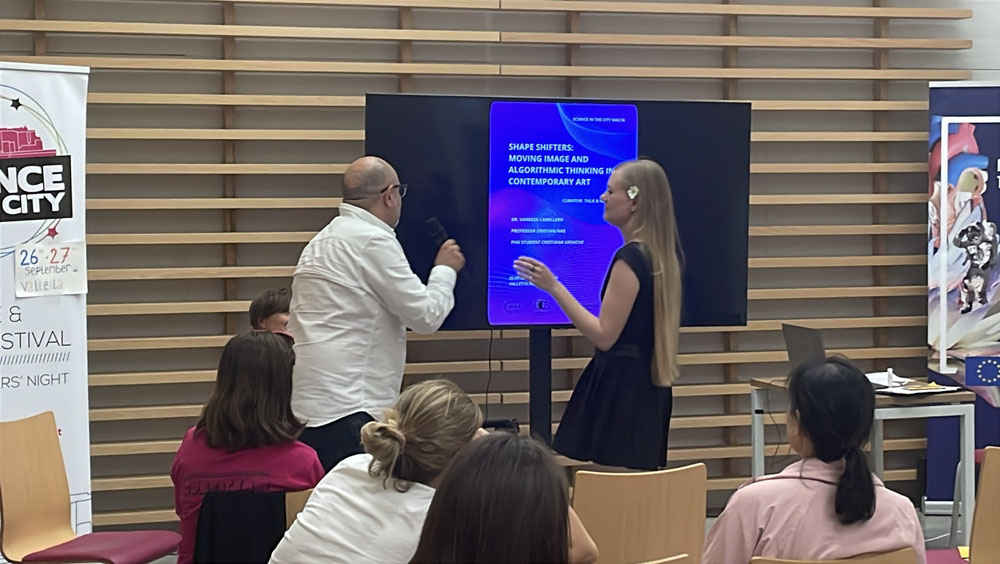
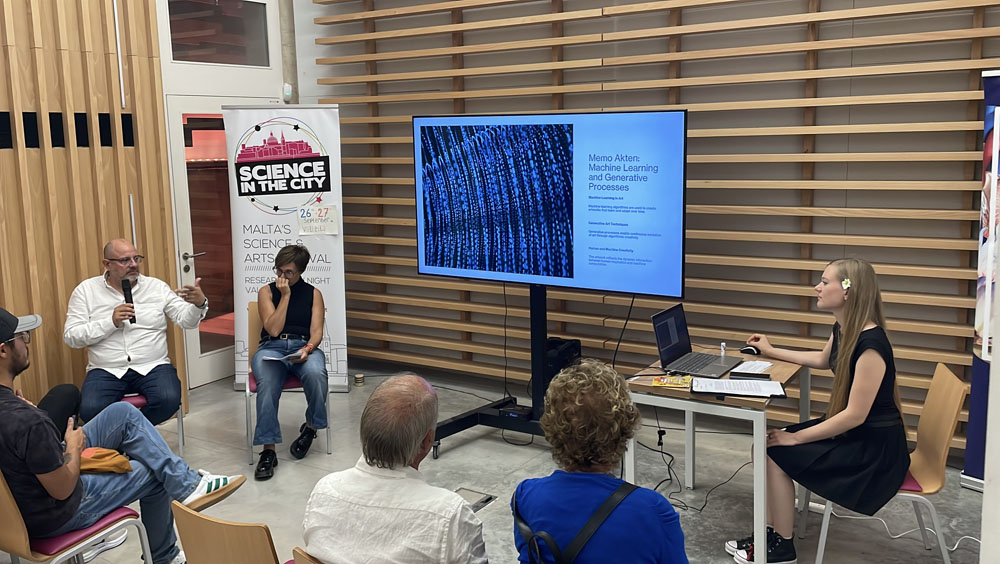
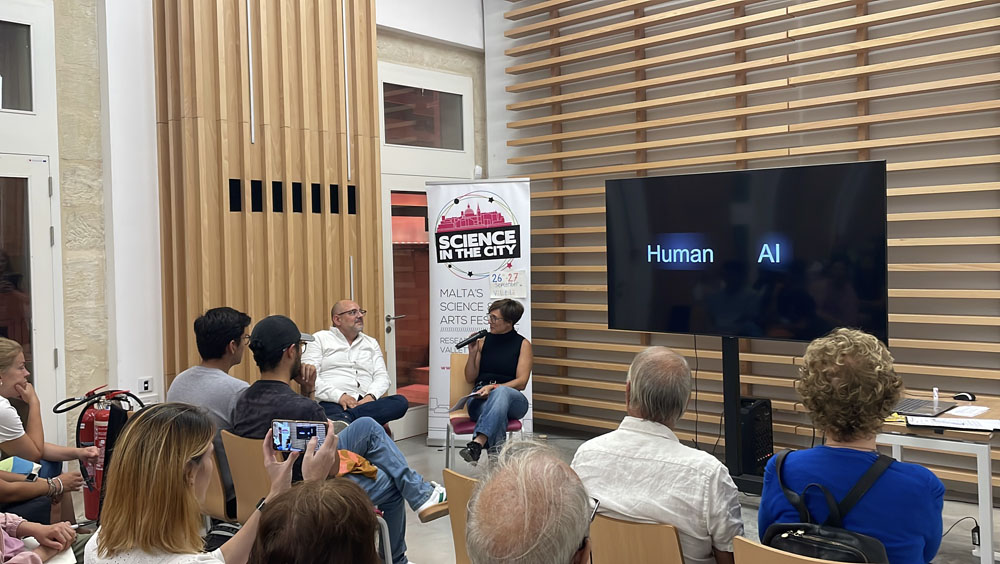
Keep scrolling
What type of aesthetic consequences can we draw from these artworks? In my presentation, I intend to show that Anadol and Atken’s recent works materialize a symptomatic change in contemporary art, which extends the implications of A.I. towards transhumanism, but, at the same time, reimagine the very condition of the artistic form. They materialize a shift in understanding the very nature of artwork in art history from a closed representational system, an object-based entity privileging still-image to an ephemeral, time-and process-based collectively produced live intervention into a given context, that has already taken place since the large-scale adoption of Internet. However, the algorithmic thinking these works rely on present a different challenge to the notion of art as a creative practice, that I also intend to address: to what extent does algorithmic thinking depend on a certain selection of data available and to what extent does the attention economy it requires from its audience mimick the behavior of social-network interaction?
Explore More